

PENA PALACE SINTRA
Visit Pena Palace in Sintra
Pena Palace is the main reason many visitors travel to Sintra. The colorful hilltop palace is one of Portugal’s most famous sights, and for many travelers it becomes the highlight of a day trip from Lisbon. Its towers, terraces, bright colors and forested setting make it feel almost unreal when you first see it above the hills.
Check availability before booking
Still, visiting Pena Palace is not always as simple as choosing a ticket and showing up. The palace sits high above the historic center of Sintra, and getting there takes more planning than many visitors expect. Roads are steep, local transport can be busy, and your entry time can shape the rest of your day.
That is why it helps to plan Pena Palace as the anchor of your Sintra visit. Once you know when and how you want to visit the palace, it becomes much easier to decide whether to add Quinta da Regaleira, the Moorish Castle, Sintra Palace, Cabo da Roca or Cascais.
Why Pena Palace is the main attraction in Sintra
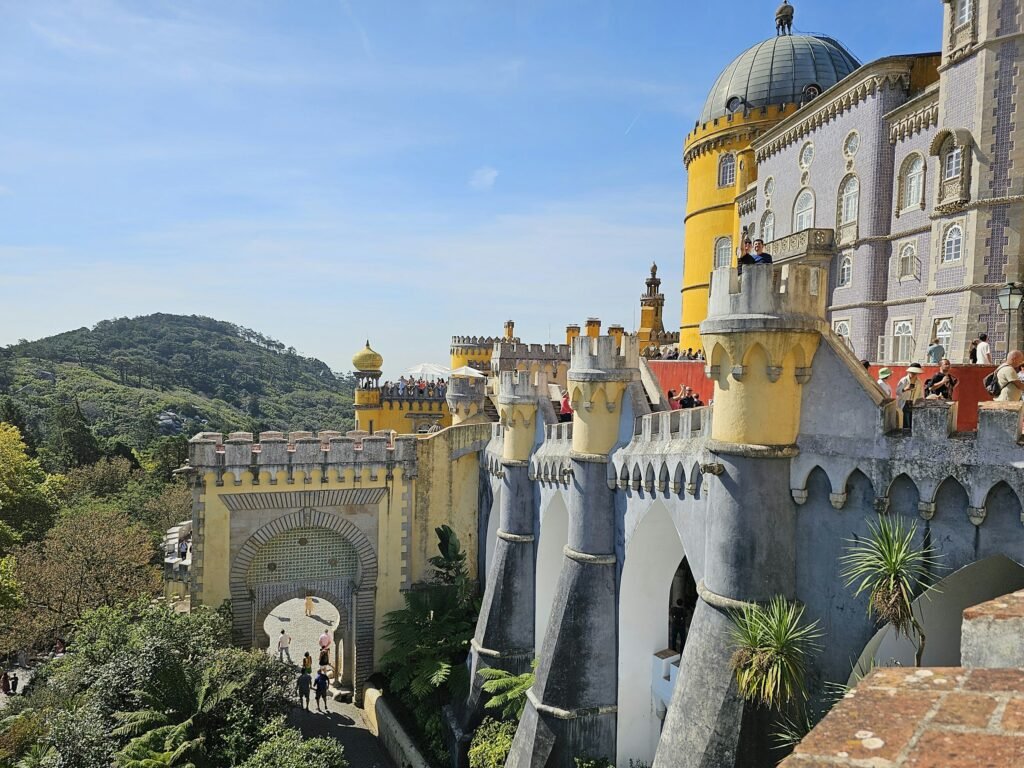
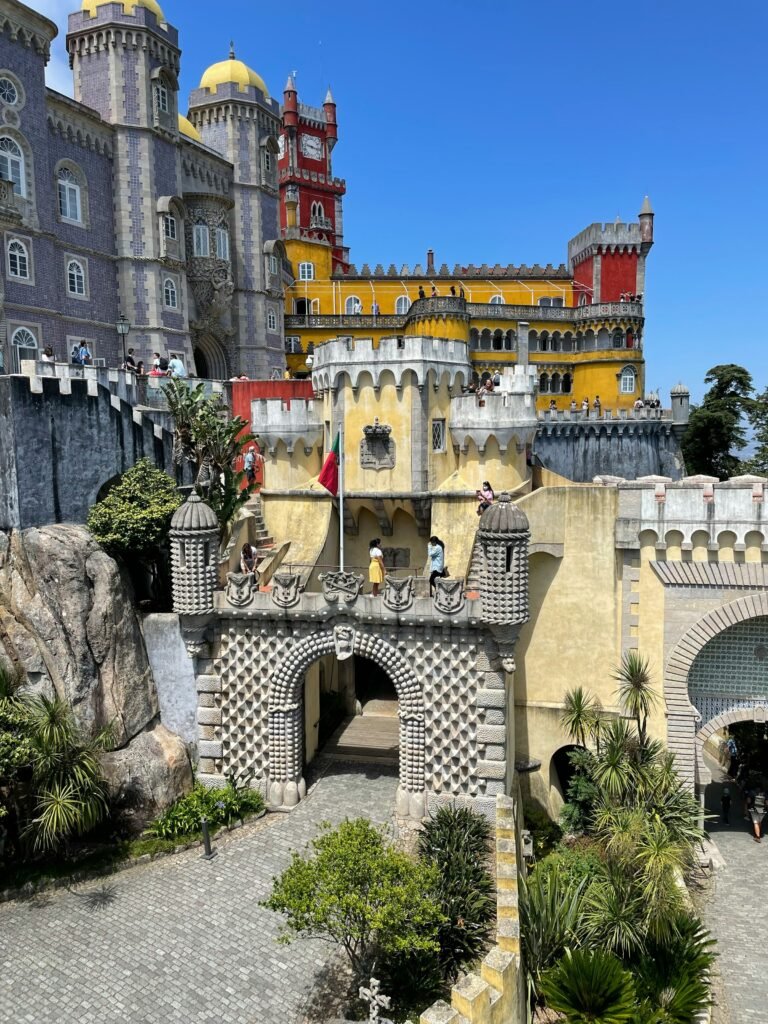
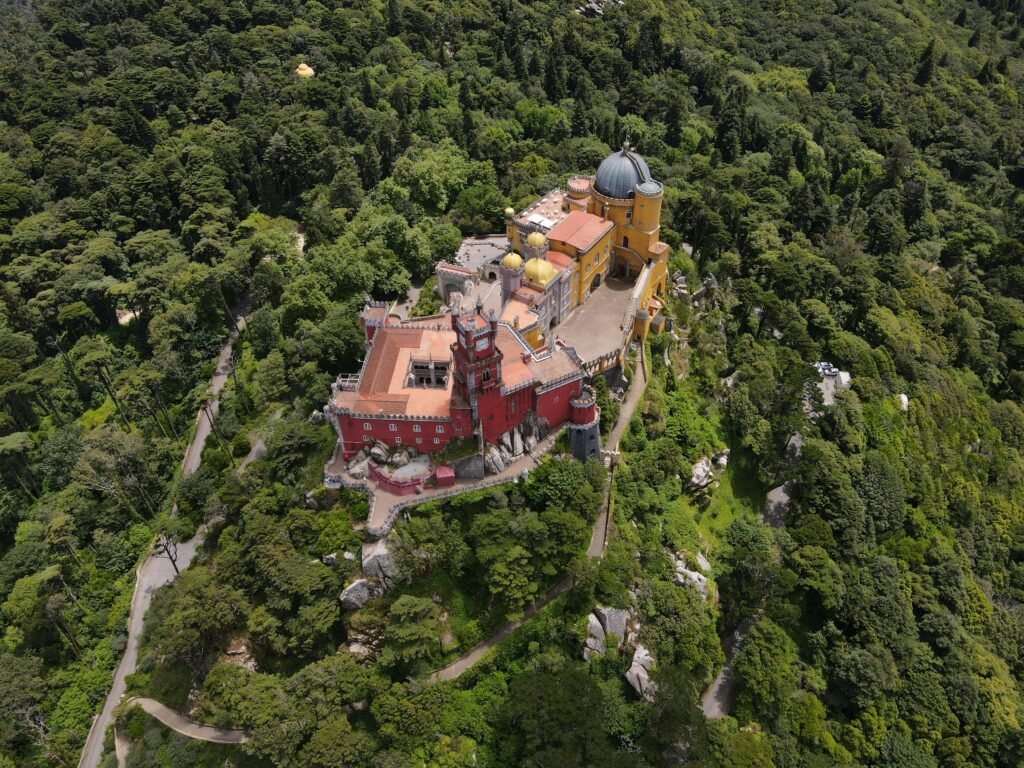
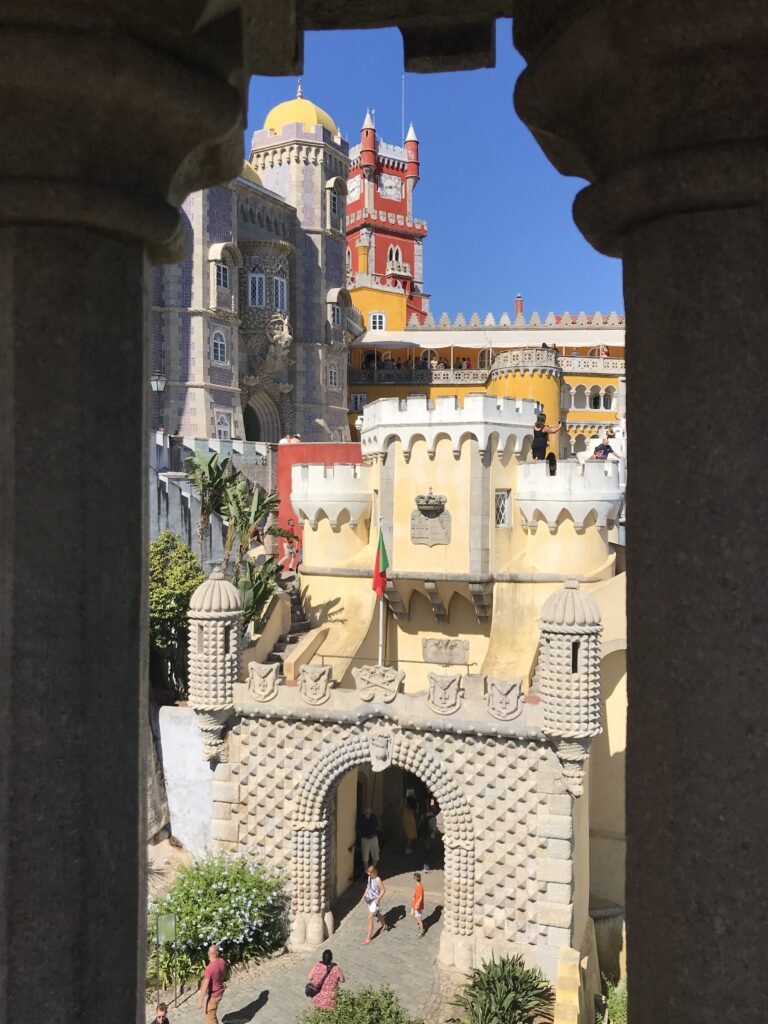
Pena Palace is the image many people have in mind when they think of Sintra. It is colorful, dramatic and set high in the hills, with views over the town, forest and surrounding landscape. The visit is not only about the rooms inside the palace. The terraces, park, viewpoints and route up the hill all form part of the experience.
This is also the Sintra attraction where timing matters most. If you want to enter the palace interior, your ticket and time slot can affect the whole day. A visit that looks simple on a map can quickly feel rushed if you do not leave enough time for transport, walking and crowds.
For that reason, many visitors start with one important question: when should I visit Pena Palace? The answer depends on your ticket, your route and what else you want to see in Sintra.
Official Tickets Pena Palace
Tickets and time slots
Pena Palace tickets can be confusing at first, because not every visit works the same way. Some visitors want to enter the palace interior, while others mainly want to enjoy the terraces, park and views. That difference matters, especially when timed entry is involved.
Your time slot should not be treated as a small detail. It can decide when you need to leave Lisbon, when you should head up the hill, and how much room you have for other sights. An early visit can work well if you want to reach Pena Palace before Sintra gets busier. A later visit can give you a slower start, but it may also leave less flexibility.
If Pena Palace is your main priority, it is better not to leave tickets until the last moment. During high season, weekends and holiday periods, the best times can disappear faster than expected.
Visiting independently or with a tour
You can visit Pena Palace on your own, and for many visitors that works well. From Lisbon, you can travel to Sintra by train and then continue to the palace by bus, taxi, tuk-tuk or on foot. This gives you more freedom, and it can also be cheaper.
The trade-off is that you need to manage the timing yourself. That matters most if you want to visit more than one place in the same day. A tour can be easier if you want transport, tickets and route planning handled for you. It can also make sense if you want to combine Pena Palace with Quinta da Regaleira, Cabo da Roca or Cascais.
There is no single best choice for everyone. Independent travel is better if you want flexibility and lower costs. A tour is often better if you want a smoother day with fewer moving parts.
Choose your ticket
What else to see near Pena Palace
Pena Palace is usually the first priority, but it is rarely the only place visitors consider. Sintra has several major sights, and each one gives the day a different feeling.
Quinta da Regaleira is the most natural second stop for many first-time visitors. It feels mysterious and atmospheric, with gardens, tunnels, towers and the famous Initiation Well. It is very different from Pena Palace, which makes the combination appealing.
The Moorish Castle is another logical option. It is close to Pena Palace in the hills and offers wide views, old stone walls and a more active outdoor experience. It pairs well with Pena Palace, but it can be more tiring than it looks.
Sintra Palace is different again. It sits in the historic center, not high on the hill. This is the white National Palace with the two large chimneys. It is not the same as Pena Palace, although many visitors confuse the names. Sintra Palace can fit well into a calmer route through the town center.
Cabo da Roca and Cascais are more about extending the day beyond the palace area. Cabo da Roca is a dramatic Atlantic viewpoint within the municipality of Sintra. Cascais is a coastal town often used as the final stop on full-day tours from Lisbon. They can be great additions, but only if you have enough time.
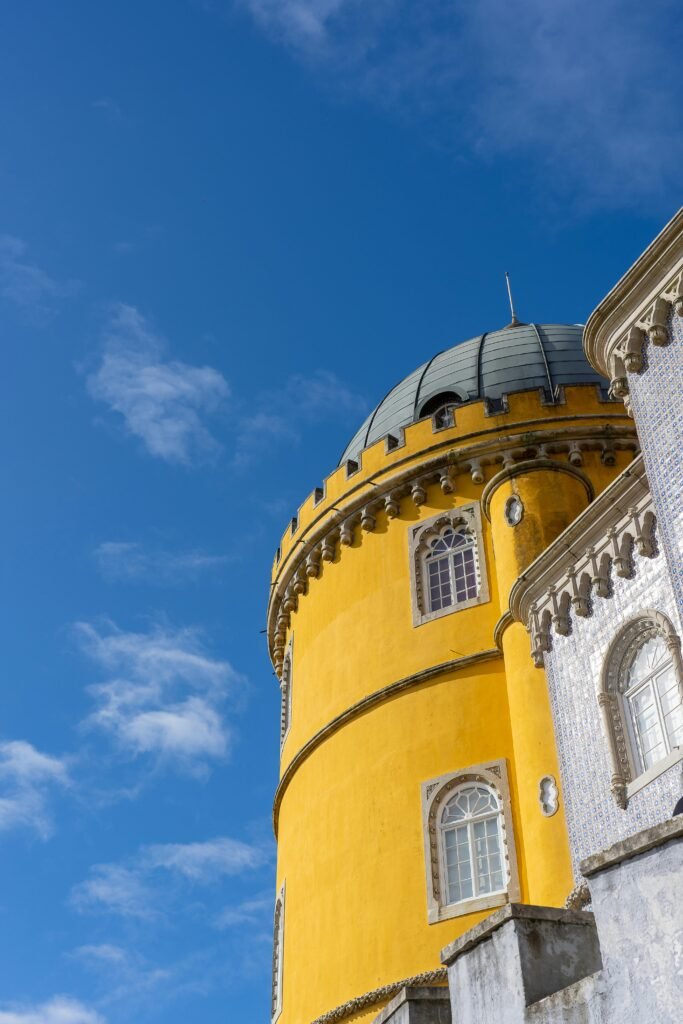
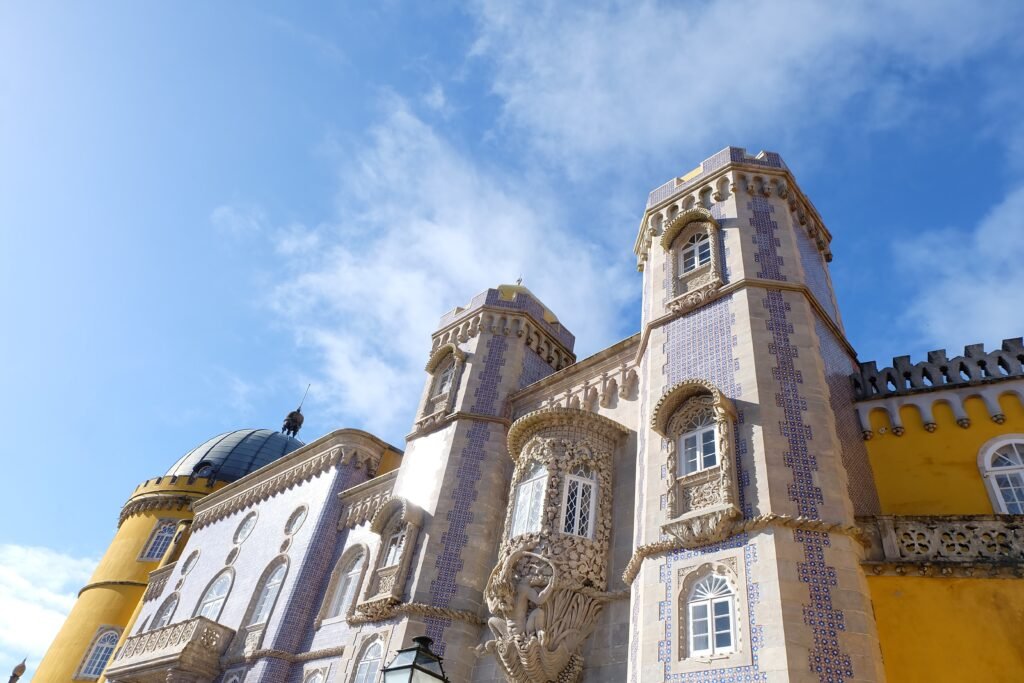
Impression of Pena Palace


Planning a realistic Sintra day
The easiest way to plan Sintra is to start with Pena Palace and build from there. First decide whether you want to enter the palace interior. Then check the available time slots. After that, choose how you will get up the hill and which second stop fits your pace.
If you want the classic first visit, Pena Palace and Quinta da Regaleira make a strong combination. If you prefer views and hilltop walking, Pena Palace and the Moorish Castle can work better. If you want a broader day from Lisbon, a route with Cabo da Roca and Cascais may be worth considering.
Trying to see every major sight in one day often sounds better online than it feels in practice. Sintra has hills, crowds, transport delays and many tempting stops. A slightly simpler route usually creates a better visit.
Start with Pena Palace
Pena Palace is the best starting point for planning your visit to Sintra. It affects your ticket choice, timing, transport and route. Once that part is clear, the rest of the day becomes easier to shape.
Use this site to compare tickets and tours, understand time slots, plan your route and decide how much of Sintra you want to include. Pena Palace may be the highlight, but the best visits are planned as a complete Sintra day.

Book early | Limited availability | Free cancellation
History
Pena Palace has a history that reaches back long before the palace itself was built. The site was first home to a small medieval chapel dedicated to Our Lady of Pena. In the 16th century, the chapel was expanded into a monastery, which remained in use until it was badly damaged by the earthquake of 1755.
The transformation into the palace seen today began in the 19th century. King Ferdinand II acquired the ruined monastery and decided to create a royal residence that reflected the artistic ideals of his time. Instead of restoring the site in a simple historic style, he commissioned a new palace with a bold Romantic character.
The design brought together Gothic, Manueline, Moorish and Renaissance influences. These styles were not used by accident. They were combined to create a palace full of contrast, symbolism and imagination. Pena Palace was meant to feel expressive rather than formal, and that idea still defines much of its character today.
During the late 19th century, Pena Palace became a summer retreat for the Portuguese royal family. It offered a quieter setting away from Lisbon, while still showing royal taste and status. Many of the interiors were arranged to reflect daily life at court, and several rooms still preserve that atmosphere.
After the end of the Portuguese monarchy in 1910, Pena Palace was classified as a national monument and later opened to the public. Today, it stands as one of Portugal’s clearest examples of 19th-century Romantic architecture, shaped by religion, monarchy, artistic ambition and the wider history of Sintra.